VOL- 11, ISSUE- 01, PUNE RESEARCH TIMES (ISSN 2456-0960) JIF 4.06
11.1 TIMES
Area of Article : ALL
VOL- 11, ISSUE- 01, PUNE RESEARCH TIMES (ISSN 2456-0960) JIF 4.06
11.1 TIMES
VOL- 11, ISSUE- 01, PUNE RESEARCH TIMES (ISSN 2456-0960) JIF 4.06
11.1.1 TIMES
This
paper aims to explore the emerging feminist trends in recent Hindi script
narratives with reference to the movie Thappad
(2017). The themes of subtle violence, self-effacement in and unrecognition of
women’s domestic role, casual insidious sexism, individualism, identity and
self, are majorly dealt with in the analysis of the narrative. How the
dialectics of tolerance and resistance function in portrayal of contemporary feminism.
The film is known for intersecting feminisms across social classes. The
analysis seeks to bring out the different embedded notions in society and
family of the ideology of patriarchal oppression. It looks into how emerging
female protagonists deconstruct this ideology via unconventional modes of
resistance and creation of unique paths of liberation and redemption for
themselves.
Keywords: - Feminist resistance,
feminist tolerance, feminist cinematic trends, patriarchal oppression, domestic
violence, feminist trends, standpoint epistemology, embodied experiencer.
VOL- 11, ISSUE- 01, PUNE RESEARCH TIMES (ISSN 2456-0960) JIF 4.06
11.1.2 ENGLISH
This
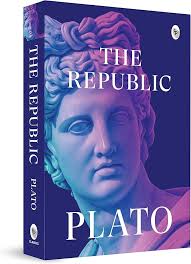
paper re-examines Plato’s famous banishment of poets from the Republic, challenging the established
view that Plato is fundamentally hostile to poetry and artistic imagination.
Situating Plato’s critique within the ethical and educational framework of the
dialogue, the paper argues that the exclusion of certain forms of poetry arises
not from aesthetic prejudice but from a sustained concern with moral formation
and the psychology of the soul. In classical Athens, poetry functioned as a
primary educator, shaping emotional habits long before the development of
rational judgment. Plato’s anxiety, therefore, is directed at the formative
power of mimetic poetry, particularly its tendency to cultivate emotional
excess and habituate disorder within the soul. By tracing the argument across
Books II, III, and X of the Republic,
and clarifying its psychological and metaphysical foundations, the paper shows
that the banishment is conditional, provisional, and ultimately ethical in
intent. Plato emerges not as a censor of beauty, but as a philosopher
attempting to safeguard the harmony and sovereignty of the soul.
Keywords Plato;
Republic; poetry; banishment of poets; mimesis; moral education; psychology of
the soul; aesthetics and ethics
VOL- 11, ISSUE- 01, PUNE RESEARCH TIMES (ISSN 2456-0960) JIF 4.06
11.1.101 TIMES
प्राचीन भारत का साम्राज्य(लगभग तीसरी शताब्दी ई.पू.-575 ई.)
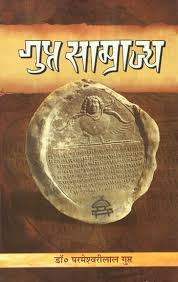
गुप्त साम्राज्य (ल. 240/275-550 इस्वी) प्राचीन भारत का एक भारतीय साम्राज्य था। जिसने लगभग संपूर्ण उत्तर भारत पर शासन किया।
इतिहासकारों द्वारा इस अवधि को भारत का स्वर्ण युग माना जाता है।