11.6 ENGLISH

Area of Article : ALL

Article Image

PUNE RESEARCH An International Journal in English (ISSN 2454-3454) JIF 3.945

EDITOR

ABSTRACT

PUNE RESEARCH  

AN INTERNATIONAL JOURNAL IN ENGLISH

( ISSN 2454  -  3454  ONLINE ) (JIF 3.945)

 VOLUME 11, ISSUE - 06 ( NOV - DEC 2025 )

11.6.1 ENGLISH

Area of Article : LITERATURE

Article Image

RAMAYANA: A STUDY OF ETHICS IN THE ENVIRONMENT

DR. BALASAHEB SAGADE

ABSTRACT

The present research paper undertakes the study of Ramayana from the point of view of Ecocriticism, in order to examine how the text presents the profound connection between humans and nature in ancient Vedic time. In the epic, the forests, rivers, animals, and plants are not just the background of the story, but act as living parts of life. The text also focuses on how the characters respect nature and live in harmony with it. The forest stands for peace, truth, and learning; instead city stands for power and conflict.

11.6.2 ENGLISH

Area of Article : LITERATURE

Article Image

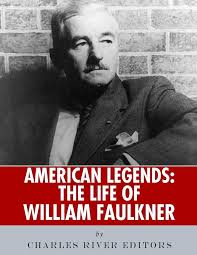
WILLIAM FAULKNER: THE CHRONICLER OF THE AMERICAN SOUTH

DR. N. VIJAKUMARI & DR. R. ABEETHA

ABSTRACT

William Faulkner (1897–1962), one of the most celebrated figures in twentieth-century American literature, revolutionized modern fiction through his exploration of time, memory, and human consciousness. His works vividly portray the moral, social, and racial complexities of the American South. By creating his fictional Yoknapatawpha County, Faulkner established a literary universe that captures both the decay and endurance of Southern life. His experimental techniques—such as stream of consciousness, multiple narrators, and non-linear time—challenged traditional narrative forms and influenced generations of writers worldwide. This article examines Faulkner’s life, artistic evolution, major works, recurring themes, and enduring legacy as a chronicler of the South and as one of literature’s boldest innovators.

11.6.3 ENGLISH

Area of Article : LANGUAGE

Article Image

INTEGRATING AI IN HUMANISTIC LEARNING: A FRAMEWORK FOR ENGLISH LANGUAGE AND LITERATURE EDUCATION

DR. PADMA GAWALI

ABSTRACT

Artificial Intelligence (AI) is reshaping higher education, introducing new opportunities and challenges for English language and literature classrooms grounded in humanistic learning. Students now rely on tools such as ChatGPT, Grammarly, and digital reading assistants to support writing and interpretation, improving clarity while raising concerns about originality, critical thinking, and ethical academic practice. This study examines AI’s influence on undergraduate English learning through a humanistic, conceptually grounded analysis supported by qualitative classroom insights. It explores how AI shapes writing habits, reading engagement, and interpretive autonomy, and proposes a practical framework for responsible classroom use. Findings indicate that thoughtful, guided integration of AI can enhance learning while preserving core humanistic values.

Keywords: Artificial intelligence, English pedagogy, Deep learning, Explainable AI, Literature teaching, Linguistics.